 The CHORUS Forum on Trust and Integrity, moderated by Scott Delman, Director of Publications at the Association for Computing Machinery. Scott introduced the session speakers and reported the session’s focus would be on trust in scholarly publication and the rise of AI in misconduct. Speakers covered a range of areas from threats and opportunities through policies, guidelines, and technology.
Jigisha Patel an Independent Research Integrity Specialist highlighted main threats to publication integrity –
- Paper mills that manipulate the publication process for financial gain that often target legitimate journals.
- Widespread use of AI tools making it easier to generate manuscripts and more difficult to distinguish between genuine and fabricated content.
- Innocent authors getting caught up in retractions due to their inadvertent association with paper mills or their use of AI-tools to generate content.
Jigisha noted there is a need for collaboration between publishers, institutions, and researchers to raise awareness about paper mills and educate about the ethical use of AI tools. She stressed the importance of helping innocent researchers to demonstrate the integrity of their work. She also mentioned organizations such as the Committee on Publication Ethics (COPE) and STM that are working in partnership on developing policies and processes to support research integrity.
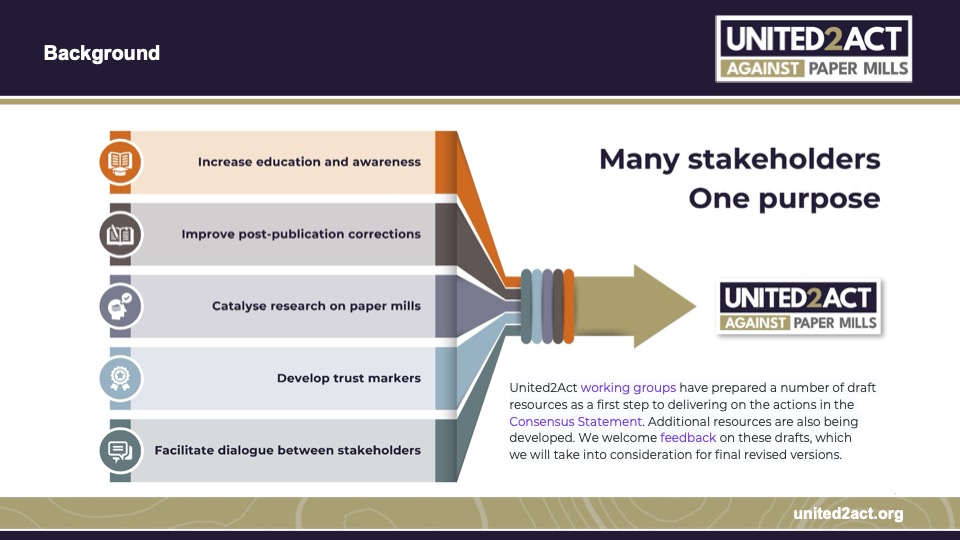
Image 1. From Jigisha Patel presentation highlighting that phase 1 of United2Act produced multiple working group draft resources available for review and comment.
Joris Van Rossum, Program Director at STM Solutions focused on Technological Solutions
- Joris introduced STM Solutions and its role in supporting the global association of scientific, technical, and medical publishers.
- Larger and more impersonal research communities, pressure to publish, and new technologies like AI are all challenges to trust in science.
- Joris also noted that publishers have responded by building dedicated integrity teams, integrating advanced screening technologies, and collaborating on cross-industry infrastructures. But there are limitations to the current methods for detecting AI-generated content, which means that there is a need to move beyond the manuscript to establish the authenticity of research, which requires further collaboration across the scholarly ecosystem.
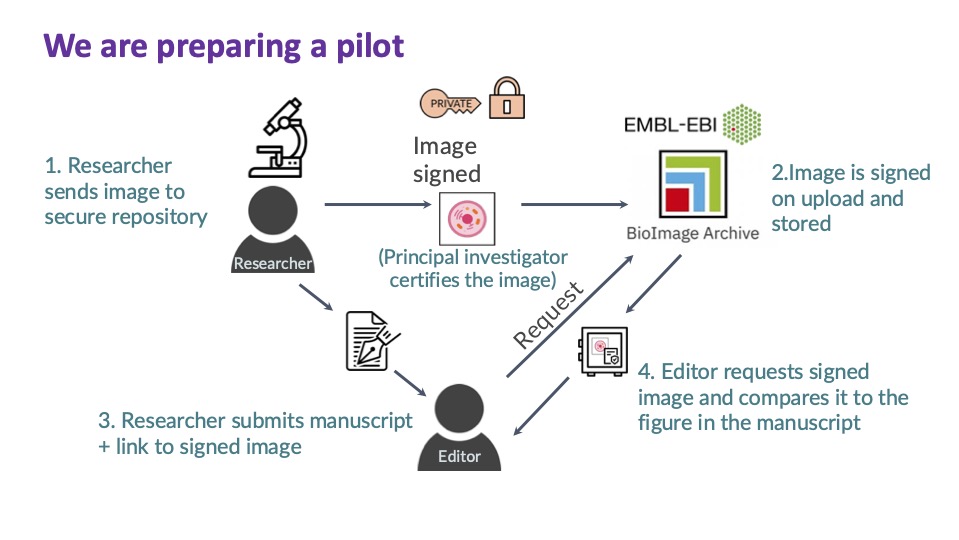
Image 2. An overview of a planned STM Solutions pilot, shared by Joris.
David Sholl, Executive Vice President for Research at Rice University spoke from an Institutional Perspectives and his dual role as a researcher and research administrator
- David highlighted the challenges of maintaining research integrity at a university level, given the large volume of publications and the cultural differences in research practices.
- As the editor-in-chief of the AIChE journal, David emphasizes the importance of high-quality peer review and the need for authors to share their data.
- David discussed a pilot study conducted by the journal that required authors to include numerical data for their figures, aiming to improve transparency and reproducibility.
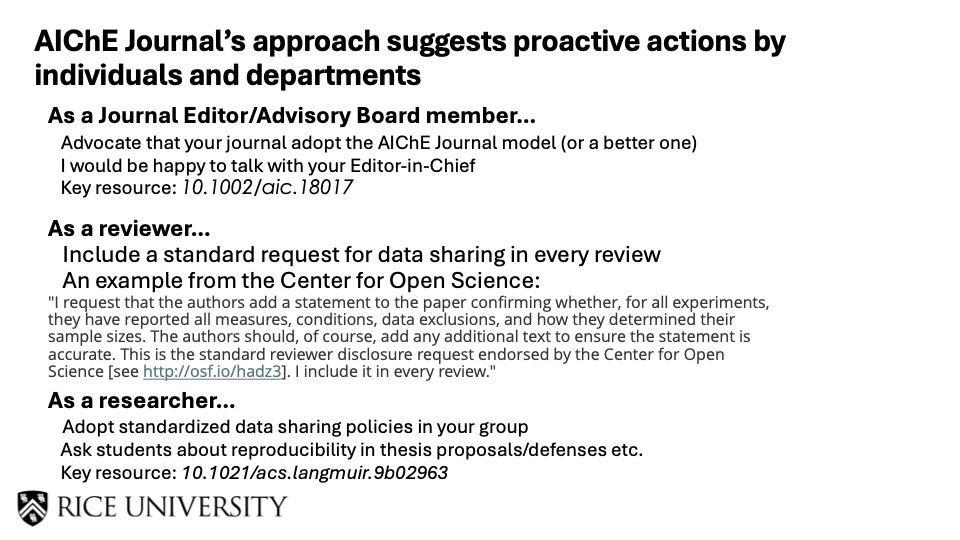
Image 3. Proactive actions that can be taken by individuals and departments, shared by David.
Scott wrapped up the presentations with a round of Q&A touching on the following areas and what all of us can do to ensure trust and integrity.
- Challenges of AI-generated plagiarism, the role of reviewers, and the need for education and awareness.
- The importance of collaboration and the need for technological solutions to address the challenges posed by AI.
- The need for institutions to collaborate with publishers and to implement processes for whistleblowing.
- The importance of high-quality journals and the need for researchers to demand better practices from publishers.
Let us know what you are doing to check for Research Integrity by sending your comments to info@chorusaccess.org. We will share your thoughts with our speakers.
We would like to thank our sponsors for their continued support of CHORUS Events. The recording and presentations can be found on the event page.